Mastering Risk Management and Compliance in a Complex Business Landscape
In today’s fast-evolving business environment, organizations are under increasing pressure to manage risks effectively while complying with a growing array of regulations. Whether you're in finance, healthcare, energy, or any highly regulated sector, a ro


- Enterprise Risk Management (ERM): A Strategic Imperative
Enterprise Risk Management (ERM) provides a structured and proactive approach to identifying, assessing, and mitigating risks that can impact an organization's objectives. From financial fluctuations and cybersecurity threats to market volatility and operational inefficiencies, ERM empowers organizations to:
- Make informed decisions based on data-driven risk assessments.
- Integrate risk into strategic planning to align with organizational goals.
- Increase resilience by building systems to respond quickly and effectively to emerging threats.
ERM is not just about avoiding risks—it's about understanding and managing them in a way that creates value and drives innovation.
- Regulatory Compliance: Navigating the Legal Minefield
Regulatory compliance has become increasingly complex, particularly in sectors such as:
- Finance, where anti-money laundering (AML), data privacy, and consumer protection rules dominate.
- Healthcare, where compliance with HIPAA, patient safety standards, and clinical regulations is critical.
- Energy, where environmental, safety, and market regulations evolve rapidly.
Failure to comply with regulations can result in hefty fines, legal consequences, and reputational damage. A strong compliance program includes:
- Regular audits and monitoring
- Employee training and ethical culture
- Real-time tracking of regulatory changes
Investing in compliance isn't just a cost—it's a safeguard for your brand and a competitive differentiator.
- Crisis Management: Expect the Unexpected
Crises come in many forms—cyberattacks, natural disasters, product recalls, or social media backlash. Without a well-defined crisis management plan, companies can face irreparable damage.
Key components of a crisis management strategy include:
- Scenario planning and risk simulations
- Clear communication protocols
- Pre-established leadership roles for rapid decision-making
Proactive planning ensures organizations are not caught off guard and can act swiftly to protect stakeholders and operations.
In Conclusion
Risk management and compliance are no longer back-office functions—they’re central to how modern businesses operate and thrive. By embracing ERM, prioritizing regulatory compliance, and preparing for crises, organizations can build resilience, enhance stakeholder trust, and navigate uncertainty with confidence.
Related

EU Sustainability Reporting for Non-EU Companies: What Global Businesses Need to Know
Sustainability reporting is no longer an issue limited to companies headquartered within the European Union. The EU's sustainability reporting framework can also affect non-EU companies with ...
Read more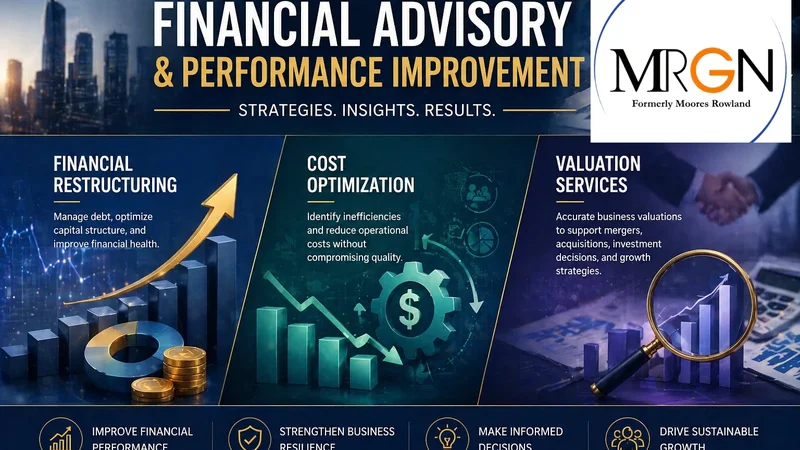
Financial Advisory and Performance Improvement: Driving Sustainable Business Value
In an increasingly competitive and uncertain economic environment, organizations must continuously refine their financial strategies to remain resilient and profitable. Financial advisory and per...
Read more
Leadership and Talent Management in a Competitive Business Landscape
In today’s rapidly changing business environment, organizations are recognizing that sustainable success depends not only on strategy and technology, but on people. Leadership and talent management...
Read more